Español
 ایران

This post is also available in:
Changing Course, Sustaining Business: Iranian Companies’ Resilience and Cooperation with Spain Discussed
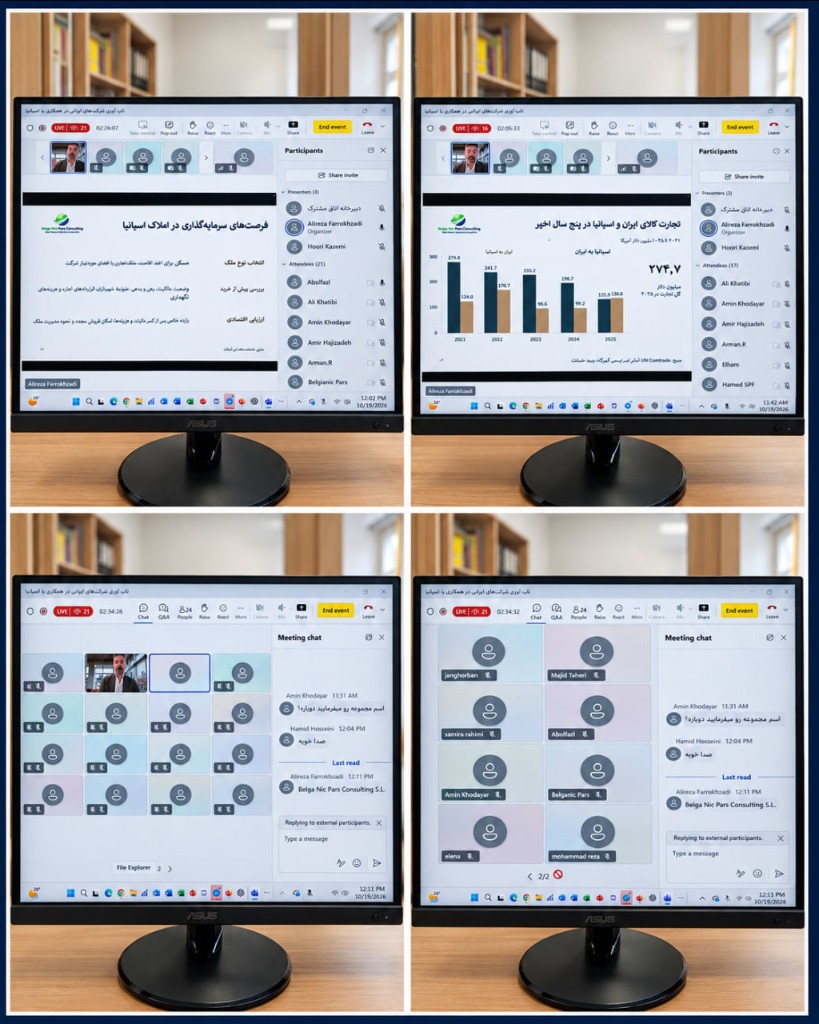
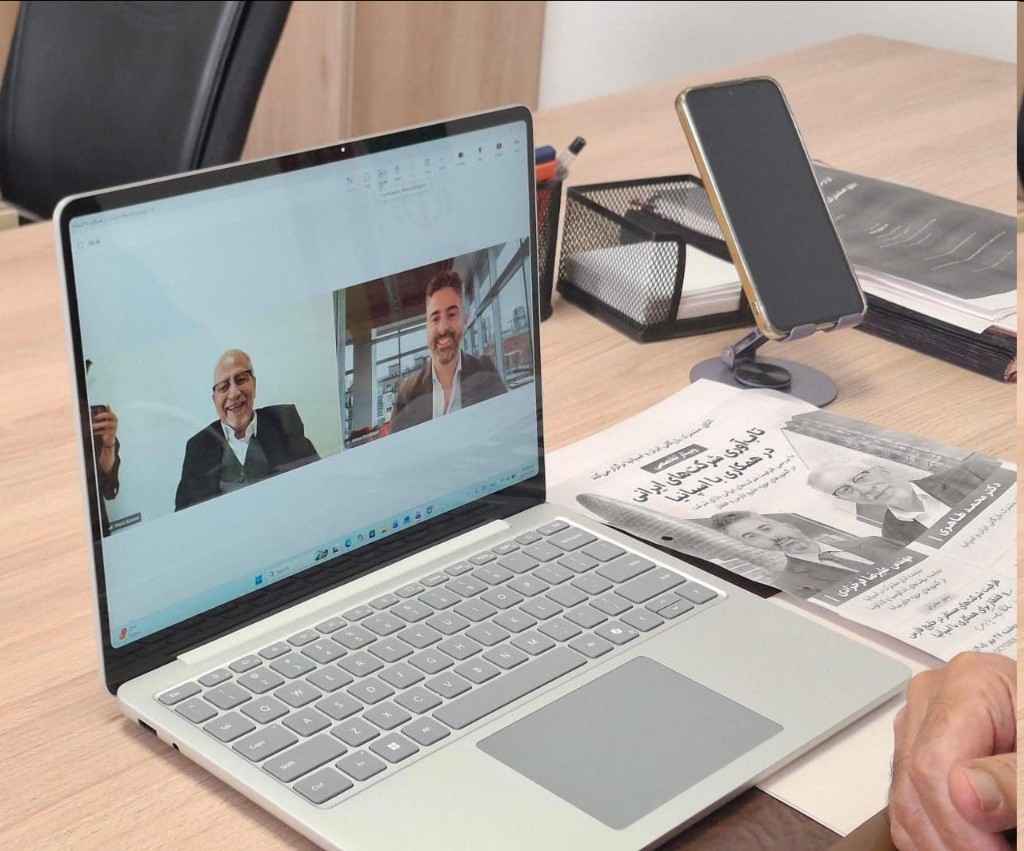
A specialised webinar organised by the Iran–Spain Joint Chamber of Commerce explored the potential for Iranian companies operating in the Persian Gulf and Caucasus countries, along with the requirements for expanding trade and investment cooperation with Spain.The webinar, entitled “Resilience of Iranian Companies in Cooperation with Spain”, was held online on Monday, 19 October 2026 (27 Mehr 1405). Dr. Mohammad Taheri, President of the Joint Chamber, and Eng. Alireza Farrokhzadi, the Chamber’s representative in Spain, discussed ways for businesses to maintain their operations amid sanctions and economic difficulties, as well as opportunities for cooperation with Spain.The central question was how Iranian companies could maintain business continuity and expand into new markets despite commercial, financial and operational restrictions. The discussion considered both companies already established in the Persian Gulf and Caucasus countries and businesses without an independent presence abroad.Resilience Means Being Able to Change Course
Opportunities in Spain: Housing, Tourism and Agriculture
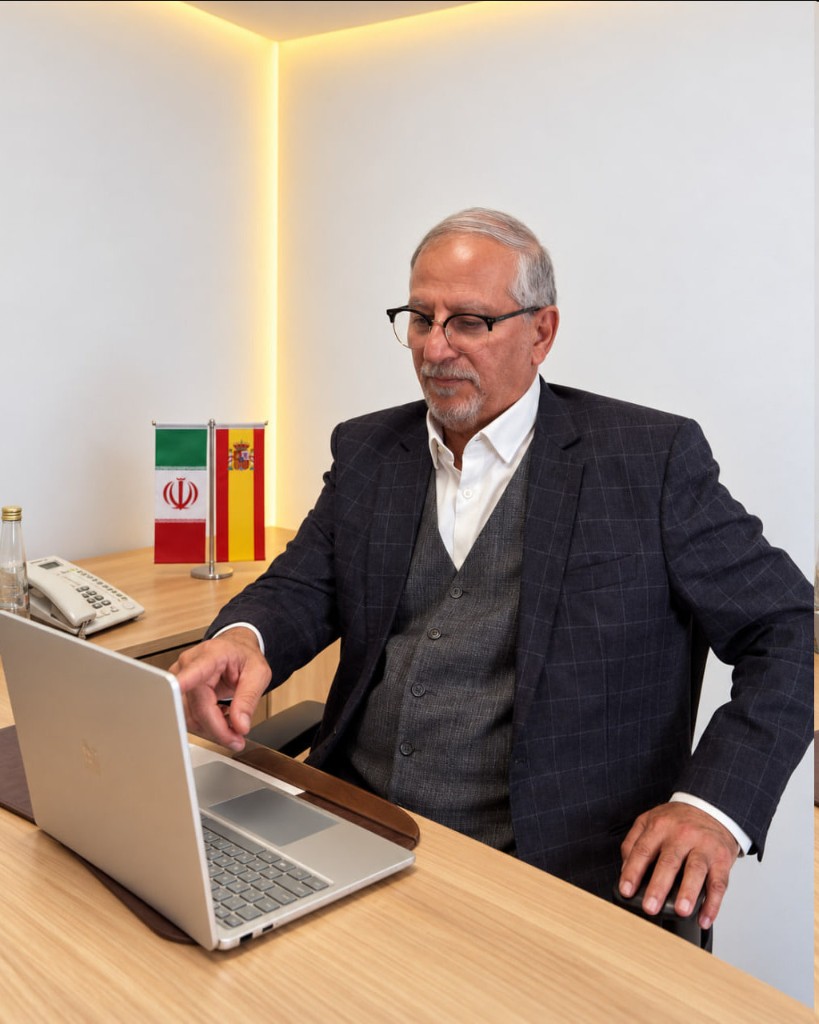
In outlining some of Spain’s economic opportunities, the President of the Joint Chamber highlighted the housing and construction sector. Construction development involves more than carrying out building projects; it also requires water, electricity and wastewater infrastructure, building materials, equipment and related services. These needs could create opportunities for Iranian companies operating in a range of sectors. Tourism and agriculture were also identified as potential areas for cooperation.Dr. Taheri also stressed that companies are not all equally positioned to begin international cooperation. Businesses with established structures and a track record in the United Arab Emirates, Türkiye or the Caucasus countries face different circumstances from those whose activities are concentrated in Iran. Any potential cooperation with Spain should therefore be assessed in light of each company’s capabilities, experience and particular circumstances.Practical Requirements for Cooperation with Spanish Partners

- Is the proposed transaction feasible in terms of the type of goods, contractual parties, payment arrangements and transport?
- Does a company established in a third country have the structure and capacity required to cooperate with European partners?
- Does the proposed investment project in Spain have a sound economic basis and clearly identified financial resources?
Preparing for Negotiations and Meeting Product Requirements
Farrokhzadi identified business readiness for negotiations as an important consideration. Companies need to clearly define their products, technical specifications, supply arrangements, pricing and target markets so that they can present a coherent picture of their capabilities and commercial plans.The discussion also covered tariff codes, standards, technical and health certificates, packaging and importers’ responsibilities. In the food sector, examples included potential cooperation involving saffron, pistachios, raisins and date-based products, with particular attention to ensuring that products and supporting documentation meet the requirements of the destination market.Market research, identifying buyers whose needs match a company’s capabilities, establishing contacts and arranging direct meetings, providing support during negotiations, helping clarify financial and legal questions, and facilitating communication across language barriers were also discussed as supporting services for business cooperation.Investment in Spain